


Deciding what to pack for Egypt becomes easier when you plan for three realities: strong sun, varied daily activities and differences between regions. A Cairo museum day, an exposed temple visit in Luxor, a Nile cruise evening and a Red Sea boat trip do not require identical clothing. The goal is a small, adaptable wardrobe plus a few essentials that protect your comfort.
Start with your route and forecast
Check forecasts for every overnight stop a few days before you leave. Upper Egypt is often warmer than Cairo, while desert and winter evenings may feel cooler than expected. Wind can matter on boats and open plateaus. Do not pack solely from an annual average: actual conditions and personal heat tolerance are more useful.
| Travel period | Useful clothing strategy | Extra item |
|---|---|---|
| Cooler months | Breathable base layers plus a light warm layer | Packable jacket or scarf for evenings |
| Warmer months | Loose, lightweight, quick-drying clothes | High-coverage hat and refillable bottle |
| Shoulder seasons | Mix warm-weather pieces with one layer | Compact wind-resistant outer layer |
For a deeper clothing guide, see what to wear in Egypt.
Core packing checklist
Documents and money
- Passport with validity that meets the current entry rules for your nationality
- Required visa or entry authorization, if applicable
- Travel insurance details and emergency contact numbers
- Digital and paper copies of key documents stored separately
- Two payment methods and a modest amount of accessible cash
Entry requirements can change. Check the official Egypt e-Visa portal and the Egyptian embassy or consulate serving your country; the site’s Egypt visa guide is helpful context but should not replace an official check.
Health and comfort
- Regular prescription medicines in original packaging, with supporting documentation where needed
- Broad-spectrum sunscreen, sunglasses and a brimmed hat
- Personal hand sanitizer, tissues and a small first-aid selection
- Oral rehydration products if suitable for you, after medical advice when necessary
- Insect repellent appropriate for your needs and season
Medical and import rules differ. Ask a clinician about your personal health needs and verify medicine restrictions with official authorities before traveling.
Technology and day bag
- Phone, charging cable and compact power bank permitted by your airline
- Travel adapter compatible with your devices
- Small zippered day bag or cross-body bag
- Offline copies of reservations and essential addresses
- Reusable bottle, remembering that tap-water suitability should not be assumed
Airlines set their own battery, baggage and liquid rules. Check your carrier’s current policy rather than relying on a generic list.
What to pack for temples and guided tours
Comfortable, already-broken-in walking shoes are more valuable than fashionable new footwear. Surfaces can include sand, stone, uneven paving, stairs and ramps. Add socks, a sun layer and a small scarf or wrap. Clothing that covers shoulders and knees is a versatile choice for religious settings and can also reduce sun exposure. A guide can explain any location-specific expectations.
Keep the day’s load compact. Your passport may be safer in hotel storage where appropriate, while a copy and only the cash you expect to use can travel with you. Check whether the day includes a boat, desert section or extended walk.
Nile cruise and dahabiya extras
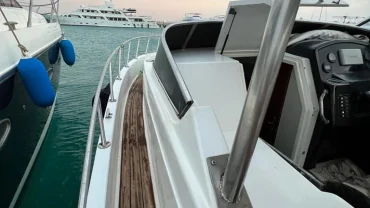
Pack a light layer for the deck, secure footwear for gangways and modest casual clothing for shared spaces. Swimwear may be useful if your chosen vessel has a pool, but facilities vary. Bring a smaller overnight bag only if your wider itinerary requires separate luggage handling. Review the exact cabin amenities before packing items such as a hair dryer.
If sailing is central to the trip, compare Nile cruise options before finalizing luggage. Dahabiyas and larger cruise vessels can differ in storage, dress atmosphere and onboard services.
Red Sea and boat-day additions
- Swimwear and a dry change of clothes
- Rash guard or other sun-protective swim layer
- Water-resistant pouch for essentials
- Personal prescription mask or equipment if the operator allows it
- Reef-conscious behavior: never stand on or collect coral
Operators normally supply specified safety equipment, but confirm exactly what is included, the cancellation procedure for weather and whether towels are provided.
What to leave at home
Avoid overpacking heavy clothing, duplicate toiletries and valuables you will not use. Do not bring drones, professional equipment, restricted medicines or other regulated items without confirming the current permissions. Rules may change and can depend on intended use. A light suitcase is easier during transfers and leaves room for locally made purchases.
Frequently asked questions
Do I need hiking shoes for Egypt?
Most classic itineraries need supportive walking shoes rather than technical boots. A desert hike or rough-terrain activity may require more specialized footwear; ask the operator about the exact surface.
Should I bring cash or rely on cards?
Bring both. Cards may work at many formal businesses, while small cash is useful for minor purchases and gratuities. Read the cash or card in Egypt guide for a layered payment plan.
Can I pack very lightly for a Nile cruise?
Usually, yes. Smart-casual, breathable pieces can repeat, and some vessels may offer laundry for a fee. Confirm your vessel’s services and any stated dress expectations first.
Make the checklist fit your journey
Print this list, then remove anything unrelated to your actual route. If you are combining Cairo, a Nile sailing and the coast, More Egypt Tours can clarify activity details through a tailored itinerary, helping you pack for what you will really do.

Comment (0)