


Accessible travel in Egypt is best planned through specific questions, recent evidence and honest expectations. “Accessible” can mean step-free access for one traveler, limited walking for another, a quiet schedule, visual information, dietary support or space for medical equipment. Historic sites, hotels, boats and vehicles vary widely, and conditions can change. Never rely on one universal accessibility label.
Begin with a personal access brief
Write a short document describing what makes travel work for you. Focus on functional needs rather than a diagnosis alone. Include walking distance, maximum step height, transfer method, wheelchair dimensions, assistance required, fatigue pattern, sensory needs, communication preferences, dietary needs and essential equipment. State what is non-negotiable and what can be adapted.
If a companion provides physical assistance, describe how. Guides and drivers should not be assumed to deliver lifting or personal care unless that service is explicitly arranged and safely supported.
Ask for measurements and images
Words such as “few steps,” “nearby” and “wheelchair friendly” are too vague. Ask for recent photographs or video and exact measurements where they matter. Confirm information again shortly before travel because a lift, ramp, jetty or road approach may be temporarily unavailable.
| Service | Questions to ask | Evidence to request |
|---|---|---|
| Hotel room | Door width, bed height, bathroom layout, lift route | Current room and bathroom photos |
| Vehicle | Seat height, doorway, storage, transfer space | Exact vehicle model or images |
| Tour site | Surface, steps, ramps, toilets, rest points | Recent guide assessment |
| Cruise vessel | Gangway, cabin access, deck levels, lift limits | Deck plan and actual cabin images |
| Equipment | Model, condition, weight limit, repair plan | Supplier confirmation |
Hotels: follow the whole route
A room can have an adapted bathroom yet remain unreachable from the entrance. Trace the complete path: vehicle drop-off, lobby, lift, corridor, door, bed, bathroom, dining area and emergency exit. Ask whether any ramp is permanent, its approximate gradient and whether staff assistance is always required.
Confirm bed configuration rather than assuming twin or double availability. If a hoist, shower chair, fridge for medication or adjoining room is essential, obtain written confirmation for the exact booked room—not merely a general hotel description.
Vehicles and transfers
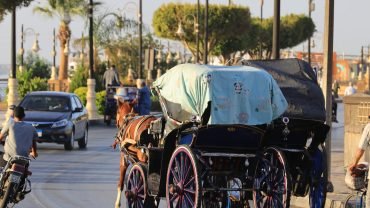
Standard cars and minivans may not accept a traveler seated in a wheelchair. Clarify whether the traveler can transfer, who assists, how mobility equipment is loaded and whether batteries or removable parts need special handling. Measure the folded chair and confirm luggage capacity after it is loaded. Powered wheelchairs may require additional planning.
Review route-specific services such as Luxor transportation, then ask for a vehicle assessment tied to your access brief. A private vehicle may offer flexibility, but suitability must still be verified.
Archaeological sites and museums
Ancient places were not designed to modern access standards. A site may offer access to an entrance or visitor center but not every tomb, chamber or viewpoint. Surfaces can include sand, gravel, high curbs, uneven stone, narrow passages and stairs. Crowds, heat and distance from the parking area also affect usability.
Ask which specific areas are realistically reachable and what an alternative visit would be if a key section is not. A private Cairo excursion or Luxor day can be paced around rest, but no operator should promise universal step-free access without a current assessment.
Nile cruises and dahabiyas
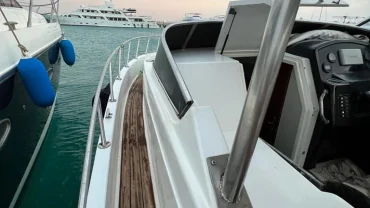
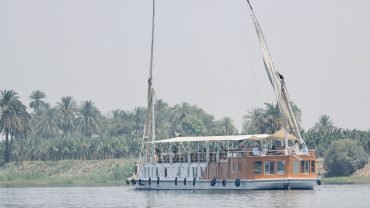
Boarding often involves gangways, changing river levels or walking through another vessel. Lifts, when present, may not serve every deck and can have dimensional or weight limits. Dahabiyas offer intimacy but may have steeper or narrower access. Ask about the full route from vehicle to cabin, dining room, deck and excursion transport.
When comparing Egypt Nile cruises, request the actual vessel name, deck plan and cabin evidence. Also ask what happens if river conditions change the mooring arrangement.
Sensory, cognitive and dietary access
Accessibility is not only physical. Discuss crowd sensitivity, quiet breaks, clear written schedules, interpretation needs, lighting, sound and preferred communication. A guide can preview transitions and reduce surprises if instructed. For allergies or medically necessary diets, use precise ingredient information and agree on how kitchen staff will be informed; no casual assurance should replace medical advice.
Build a backup plan
- Identify an alternative activity for each difficult site.
- Keep medication and essential equipment in hand luggage where permitted.
- Carry repair contacts and critical spare parts.
- Schedule rest rather than waiting for exhaustion.
- Check insurance for equipment, treatment and evacuation.
- Agree on who can authorize itinerary changes.
The general Egypt travel safety checklist can help organize documents and emergency contacts.
Frequently asked questions
Is Egypt wheelchair accessible?
There is no accurate countrywide yes-or-no answer. Access varies by exact hotel, vehicle, vessel, site area and current conditions. Assess each component against the traveler’s needs.
Can a guide provide personal assistance?
Do not assume so. Define the requested task and confirm whether trained support can be arranged. Lifting and personal care require appropriate people, consent and safe methods.
Should I bring or rent mobility equipment?
The answer depends on reliability, fit, transport and repair options. If renting, verify the model, measurements and condition in writing; if bringing equipment, check airline rules and local transport capacity.
Ask before you commit
Send your access brief through Tailor Your Tour and request a written feasibility response. More Egypt Tours can explore a private plan, but final suitability should be based on verified components and your own informed decision.
Comment (0)