


The Dahabiya vs Nile cruise ship decision is not a contest with one universal winner. Both can reveal the temples, landscapes and river life of Upper Egypt, but they package the journey differently. The better choice depends on your preferred pace, need for facilities, appetite for social contact and tolerance for a flexible sailing plan.
The essential difference
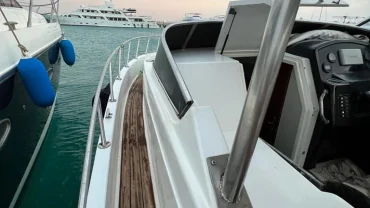
A Dahabiya is generally a small, shallow-draft sailing vessel with relatively few cabins and an emphasis on deck life and slow travel. A conventional Nile cruise ship is a larger powered vessel designed more like a floating hotel, usually with more cabins, organized public areas and a structured program. Individual boats vary widely within both categories, so confirm the exact vessel rather than treating this comparison as a promise of features.
At-a-glance comparison
| Factor | Dahabiya | Nile cruise ship |
|---|---|---|
| Scale | Usually fewer guests and smaller spaces | Usually more cabins and larger public areas |
| Pace | Slower, with wind influencing movement | Powered navigation and a more structured route |
| Facilities | Focused on deck, dining and cabins | May offer a broader range; verify by ship |
| Stops | Can include smaller riverbank locations | Typically emphasizes principal temple calls |
| Atmosphere | Intimate and often communal | More anonymity and varied social spaces |
Use the table as a starting point only. For current vessels and trip types, browse Egypt Nile cruises and compare named products.
Pace and itinerary style
Dahabiya sailing encourages travelers to notice the river between monuments. Time on deck, quiet moorings and smaller stops can be central to the experience. The plan may change with wind or navigation conditions, and a support tug may sometimes be used. This flexibility appeals to many slow travelers but can frustrate guests who want a tightly timed schedule.
Large cruise ships normally follow established operating patterns between major destinations. They can cover the classic sites efficiently and may make coordination feel more predictable, although any river journey can face operational changes. If visiting the greatest number of headline monuments is your main goal, compare the actual shore program rather than assuming one boat type includes more.
Cabins and onboard facilities
A larger ship may have features such as a pool, lounge, entertainment area or lift, but not every ship has the same amenities and access. A Dahabiya commonly offers a sun deck, dining area and compact cabins, yet room size, windows, air conditioning and bathrooms differ substantially.
Travelers who value a particular bed, balcony, lift or accessible route should request specifications. Couples seeking intimacy may prefer a small vessel, while a family might value the space or facility mix of a larger ship. Neither conclusion is automatic. Read our guide to Dahabiya cabins and suites for a room-level checklist.
Shore visits and guiding
Both formats can include guided visits to sites such as Edfu and Kom Ombo. A Dahabiya itinerary may add riverbank communities, islands or heritage locations that suit its smaller draft. A larger ship may coordinate coaches and guides for more guests. The quality of interpretation depends on the guide, group arrangement and time allocated, not simply vessel size.
Ask whether the Egyptologist is private or shared, which entrance fees are included and how transport is organized. If you wish to extend your stay with a land tour, a tailored Egypt itinerary can connect the cruise with Cairo, Luxor or the Red Sea.
Social atmosphere and privacy
On a small shared Dahabiya, guests are likely to see one another often at meals and on deck. That can lead to memorable conversations, but people wanting anonymity should consider the implications. A private charter changes the dynamic, though crew and guide interactions remain part of the journey.
A larger ship offers more places to move between and a broader guest mix. It may suit travelers who enjoy activity or prefer the option to withdraw from a tour group. Review the dining arrangement and whether excursions are divided into smaller groups.
Who tends to prefer each style?
- Choose a Dahabiya if quiet scenery, small-scale hospitality and an unhurried rhythm rank highest.
- Consider a larger ship if extensive onboard facilities or a hotel-like environment matter more.
- Choose by exact itinerary if particular temples are non-negotiable.
- Request accessibility details for either format; assumptions based on size can be misleading.
- Compare inclusions and contract terms before using price as the deciding factor.
Frequently Asked Questions
Does a Dahabiya miss the main Nile temples?
Not necessarily. Many itineraries include major sites such as Edfu and Kom Ombo, but programs vary. Confirm every priority site and its ticket or guide arrangement.
Is a conventional cruise ship always more comfortable?
No. It may offer more facilities, while a particular Dahabiya may provide the quiet or cabin character you value. Comfort depends on the named vessel and your needs.
Can I combine both experiences?
You can combine a longer cruise or hotel-based tour with a short sailing experience, subject to your itinerary. For example, a private Luxor felucca ride adds a small-boat perspective without duplicating a full cruise.
Choose with a real itinerary in hand
Compare the named boat, cabin, route, guide, inclusions and terms side by side. The Dahabiya Nile cruise page is a useful starting point, while the broader cruise collection helps you test the alternative. The right answer is the format that supports the Egypt experience you want, with the fewest unspoken assumptions.


Comment (0)